There’s a lot to welcome in Alan Milburn’s Young People and Work Review.
In particular, its focus on prevention: spotting the young people who are beginning to disengage while they are still in primary and secondary school, rather than waiting until they have fallen out of education, employment or training.
But for us at Jamie’s Farm, one key question remains unanswered.
Once we’ve identified that young person, what actually helps change their trajectory?
The Review has plenty to say about what should come next: better attendance and SEND support, tutoring, mentoring and trusted adults, followed as young people get older by much better vocational pathways and meaningful exposure to work.
All of this matters, but there’s a crucial bit missing in the middle.
This missing bit feels particularly important to us at Jamie’s Farm because these are the young people we know. Many of the young people who come to our farms are already struggling at school, losing confidence or beginning to disengage. We know how much they have to offer, even when they have stopped seeing it themselves.
What we’ve learnt over nearly two decades is that sometimes, before support can really land, a young person needs the chance to step outside the world they are struggling in and experience themselves differently.
Real Purpose
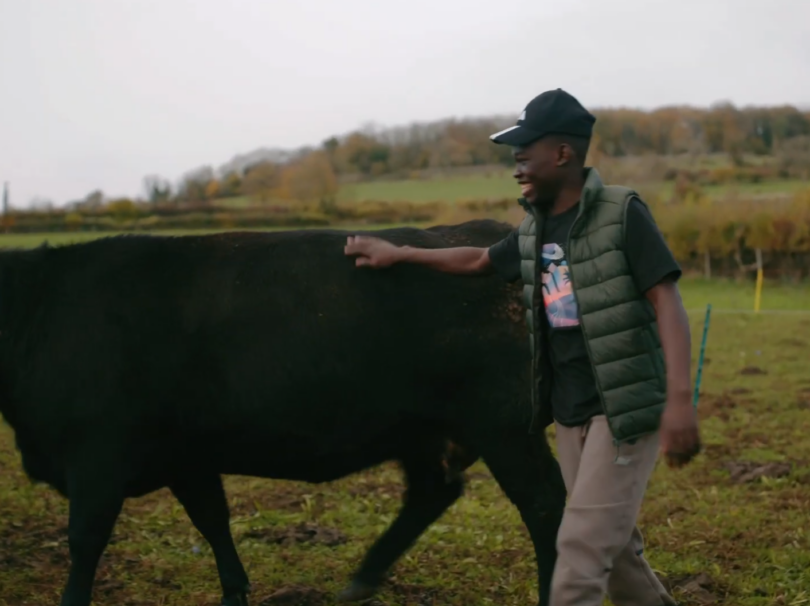
That can happen in surprisingly ordinary ways on a farm.
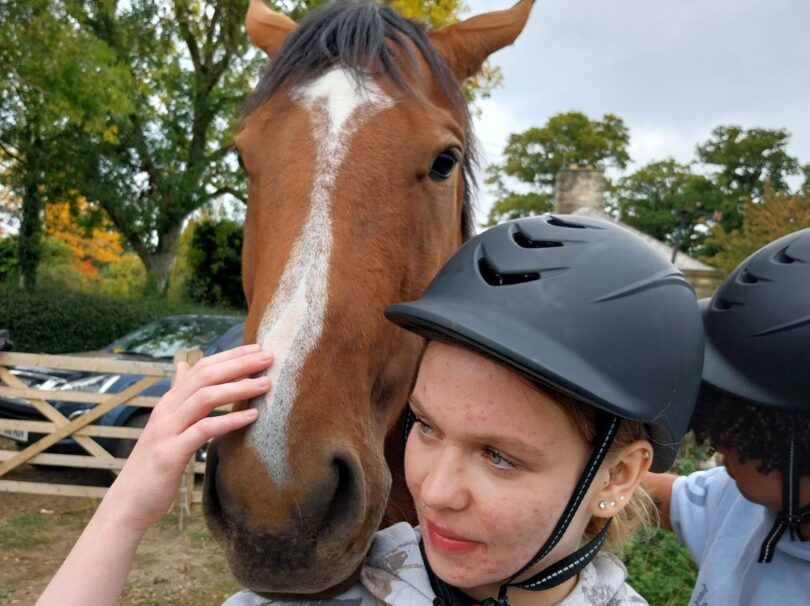
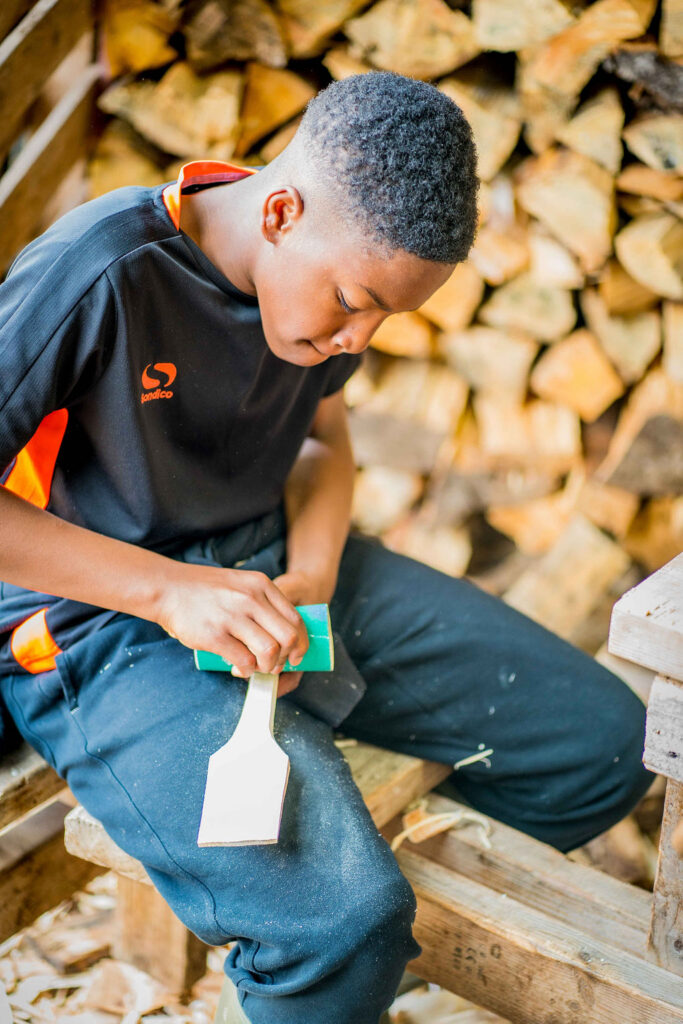
The young person who always tends to give up manages to stick with a hard physical job until it’s finished. Someone who is used to being corrected by adults is trusted with real responsibility. Someone who believes that they’re not particularly good at anything discovers that they are. Someone cooks a meal or cares for an animal and realises other people were genuinely relying on them.
Those experiences can give a young person new evidence about themselves.
I can do hard things.
People can rely on me.
I have something to offer.
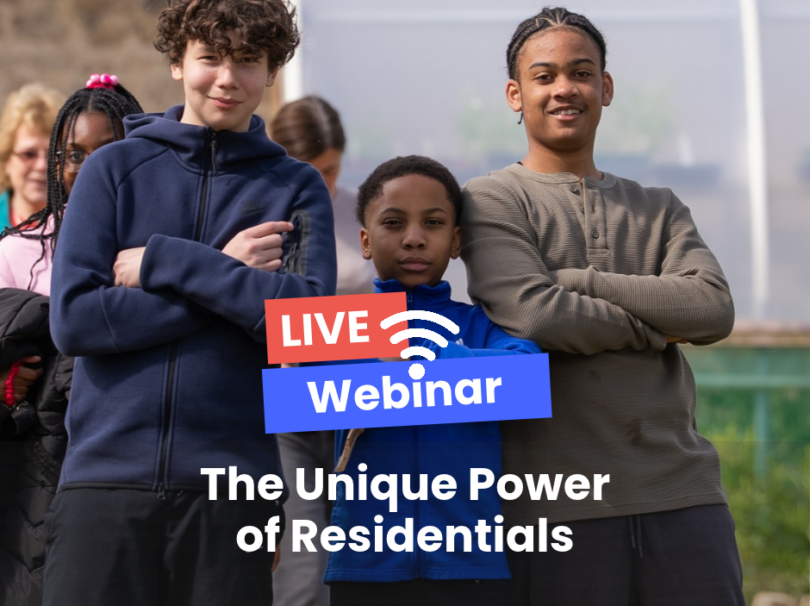
We’ve been thinking a lot recently about why an immersive residential can create this kind of shift
Research by Clare Deal, which she shared at our recent webinar, helps explain some of it. A short, intensive residential offers a genuine break from the familiar. In a different place, with different routines and relationships, a young person has space to step outside some of the patterns and expectations that have grown up around them and try out a different way of being. As one young person in her research put it, they went back to school with “a new frame of mind.”
We know how much that distinction matters.
A new opportunity
This isn’t an argument against tutoring, enrichment, trusted adults or any of the other support in the Review. Quite the opposite. It’s about what might help some young people make use of those opportunities.
An immersive experience can give a young person the evidence: I managed that. I contributed. I was trusted. I didn’t give up.
The trusted adult back at school then has a really important role in helping them recognise that change, hold onto it and build from it. That was exactly the territory we explored in our recent webinar: the residential not as a substitute for longer-term support, but as a catalyst within it.
Our new end-of-week survey is beginning to capture the immediate shift. Since September, 86% of young people responding have said they realised they could do things they didn’t think they could do. 83% knew the jobs they had done made a difference. And 71% left feeling more confident about saying yes to hard things when they went back to school or home.
But of course, the question is whether any of that lasts once the week is over.
Our longer-term evidence suggests it can.
In 2024/25, 68% of young people who came to Jamie’s Farm at risk of exclusion were no longer considered at risk six months later. And where improved relationships or behaviour had been identified as a priority, 69% and 62% respectively were showing improvement six months on. These changes were statistically significant.
One young person described that shift powerfully:
“Before I went to the farm, in school I’d give up really easily, I wouldn’t see the point in trying in school… it showed me that struggles are worth it in the end, and it really did change how I perceive school.”
For us, this gets to the heart of the missing bridge.
If a young person has spent years learning that school is somewhere they fail, that adults expect the worst of them, or that there’s not much point trying, simply putting a work experience placement, vocational course or apprenticeship in front of them may not be enough.
A chance to be a part of something
Opportunity alone isn’t always enough. Some young people first need to experience themselves as capable, useful and able to contribute.
So if Risk of NEET Indicators tell us that a 10, 12 or 13-year-old is already beginning to disengage, we need to think seriously about what we offer them at that point.
Yes, support attendance and learning. Yes, make sure there is a trusted adult. Yes, create much better pathways into work as they get older.
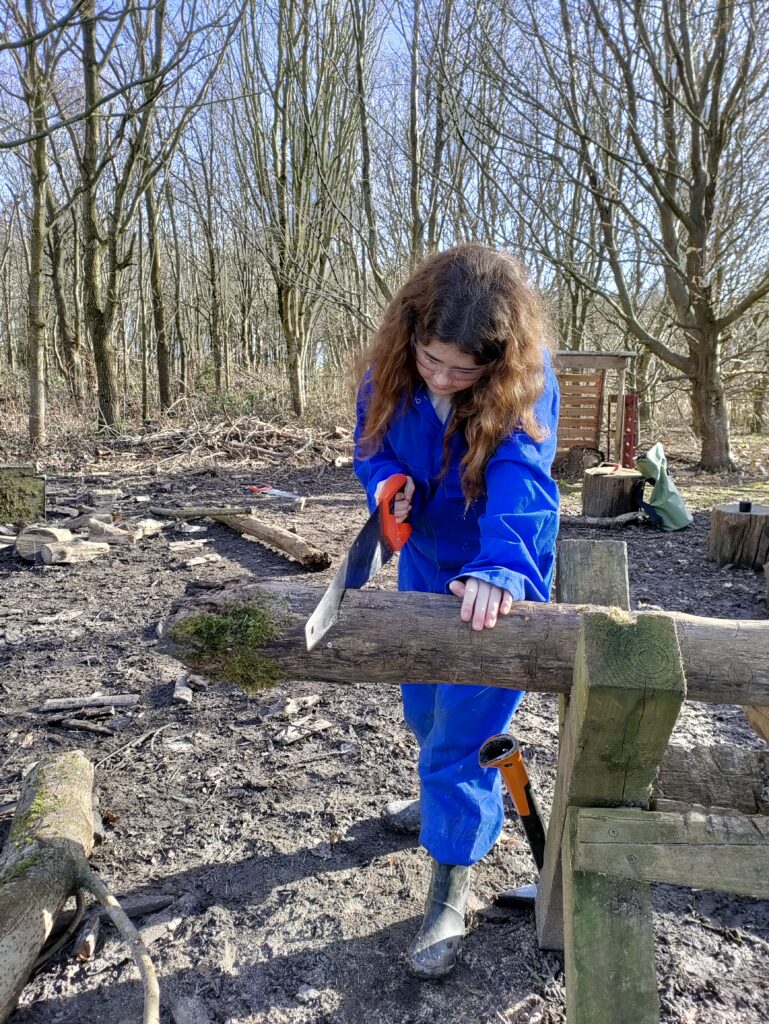
But somewhere in there, young people also need opportunities to do something real. To struggle a bit and get through it. To be needed. To discover something they’re good at. And then to have the relationships around them that help that new evidence stick.
The Review is right to focus on spotting risk earlier, and right to call for better opportunities later.
We need to pay much more attention to the bridge between the two.