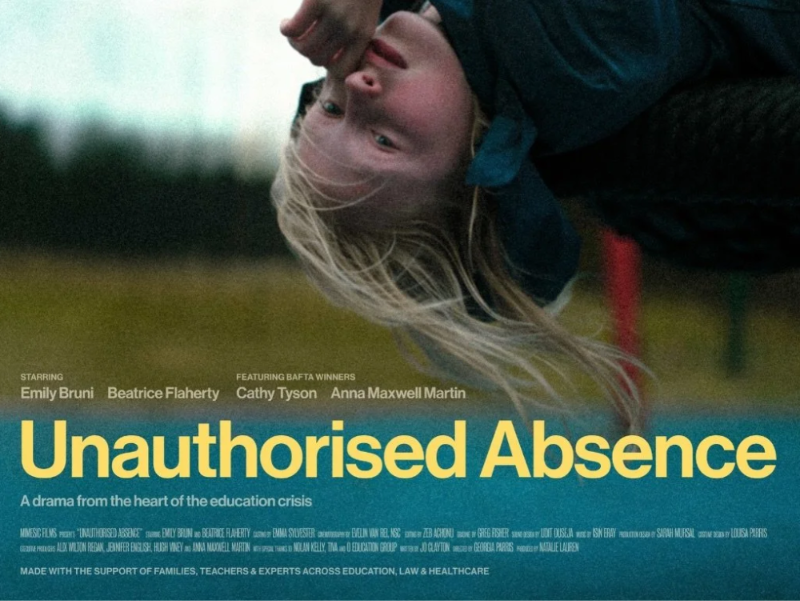
We were recently asked to watch ‘Unauthorised Absence’, executively produced by our supporter, Anna Maxwell Martin.
Within the first few minutes, I was struck by something. Here is a mum who clearly loves her daughter. Here is a child who is spirited, singing, bright and capable. And yet they are sat, listlessly, outside the school gates, in the sort of bleak scene that wet urban playgrounds in winter often remind me of (and I’ve been to quite a few!).
As the school repeatedly calls Mum, threats of punitive action increase. The holy grail of the 97% attendance percentage is thrust down the phone line, a number which matters enormously to the system, but is utterly meaningless to a parent struggling to get their child through the gates.
It reminded me of something Liz Robinson says in her brilliant Big 8 leadership training:
We are too often asking the wrong question.
Instead of simply asking why isn’t this child attending school?, what if we also asked: why isn’t school somewhere they want to be?
One moment captures this perfectly. On another occasion, the mum and daughter manage to get to the school gates and is immediately reprimanded, in this case for having her hood up.
Imagine instead: “It’s really good to see you, Thea. Just you wait for the fun thing we’ve got planned for today.”
A smile. Her name. Someone genuinely pleased she’d come. And something to hook the child into what can be achieved within the school gates.
That costs nothing. But it could mean everything.
This isn’t about uncaring teachers. That’s the point. Staff in school are committed professionals, often so committed they are stretched to breaking point. And everyone wants the same thing in a situation like this; ask almost everyone in the country and they would agree that we want kids in schools, and attendance rates to go up – which they stubbornly haven’t since Covid. It’s one of the key outcome measures we use at Jamie’s Farm to judge if we’ve made a difference.
But when accountability becomes too punitive or rigid, it can make good, caring people behave in ways that aren’t in a child’s best interests. It doesn’t require people to stop caring. It simply makes acting on that care professionally risky. When taken to the nth degree, it ends up taking the ‘human’ element away from a human industry, and makes it harder to achieve the human outcomes we all want – as this film demonstrates with real power.
I recently wrote a post on ‘traumatised systems’, where professionals are so governed by fear of what might happen to them, they feel unable to make decisions they know to be right for the young people they are there to support. Which is why the sub-title of the film – ‘compliance over care’ is so powerful.
I see a smaller version with my daughter, Frida, who attends an excellent school, led brilliantly by a highly committed Headteacher, with consistently strong staff.
But watching her move from a play-based Reception year into a much more structured environment – enforced by the National Curriculum – has made me uncomfortable too. At a parents’ evening, I admitted that there were plenty of mornings when she really didn’t want to go to school. Her teacher was crestfallen.
“But Frida, you seem to enjoy school. What have you enjoyed?”
The singular example Frida eventually found was telling. It was an occasion when her teacher had gone slightly “rogue”, departed from the usual programme and followed the children’s curiosity through a science lesson.
In other words, the thing she remembered was when there was room for human judgement, spontaneity and joy. It was a lesson the teacher remembered fondly too; the kind of lesson she wished she could do more, but the curriculum prevents it.
And Frida has every advantage.
For families under enormous financial and emotional pressure, sometimes the answer isn’t another letter, percentage or threat. It’s another human being, a human being trusted to make the right call in the situation in front of them.
We see this constantly at Jamie’s Farm.
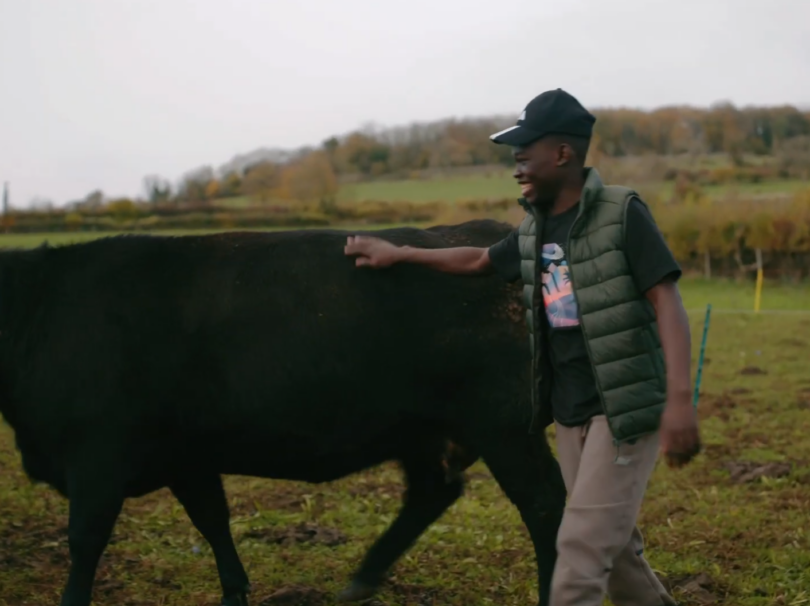
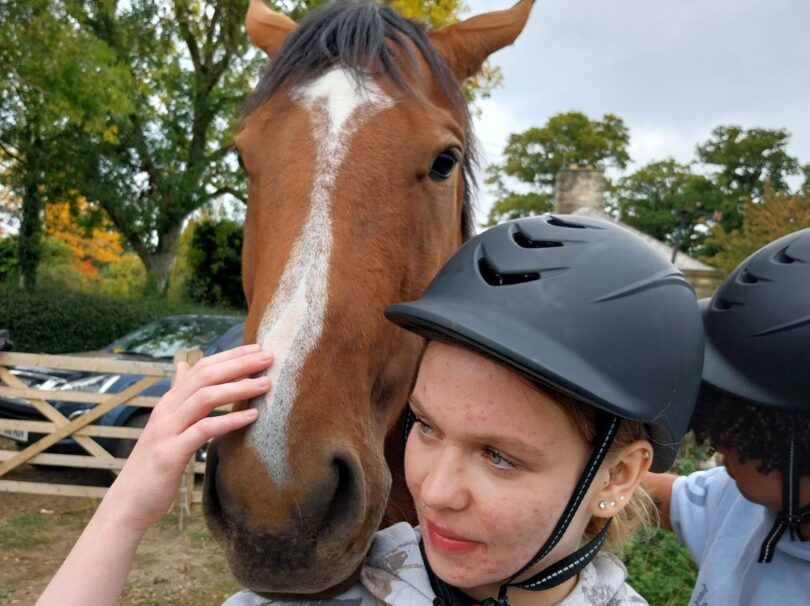
Many of the young people who come to us are struggling to engage with education. Some have low attendance, difficult relationships or poor mental wellbeing. Lots have additional SEND or mental health diagnoses. Yet put those same young people somewhere they are trusted with real responsibility, expected to contribute, surrounded by adults with the time to know them, and given a genuine sense of purpose and belonging, and you can often see something very different emerge.
Not because farms are magical. And certainly not because schools don’t care.
But because the conditions around a young person matter.
Increasingly, our work at Jamie’s Farm isn’t only about bringing young people to our farms. Through our Belonging Programme and work with pastoral staff, we’re trying to help schools create more of those conditions themselves: cultures in which young people feel known, valued and able to thrive.
And there are schools doing this brilliantly already, protecting family liaison roles, investing in relationships and giving good professionals permission to exercise judgement.
That gives me hope.
Because this isn’t a choice between accountability and care. Good accountability should make it easier for good people to do the right thing, not harder.
We should hold schools and public institutions accountable. But perhaps we need to think much harder about what we’re holding them accountable for.
Care shouldn’t be what survives despite the system. It should be what the system is designed to enable.
The film is available now to stream on YouTube.