Tomorrow, Alan Milburn’s report will shine a much-needed spotlight on one of the most troubling failures of our society: the growing number of young people who find themselves outside education, employment or training at precisely the moment in their lives when their futures should be opening up.
These are young people too often left in a lay-by between childhood and adulthood, with neither a clear destination nor a convincing sense that society has a place for them. But one of the most important messages emerging from the research and listening around the review is that young people want to work. They are not a generation of snowflakes. They are not work-shy, unambitious or unwilling to contribute. What they lack, all too often, is opportunity: the chance to shine, to demonstrate what they can do, to experience success and discover that they have something valuable to offer.
The children at Jamie’s Farm have taught us something important: if we want young people to engage, we need to give them something worth engaging with.
They need purpose. Teenagers want to matter.
Adolescence is a period when young people are developing their identity and becoming acutely sensitive to belonging, recognition and their place in the world. They want greater autonomy. They want to test themselves. They want to be recognised for what they can do. They want to matter. Yet too many experience a daily diet of being told what they cannot do, where they are falling short and how they are failing to meet expectations.
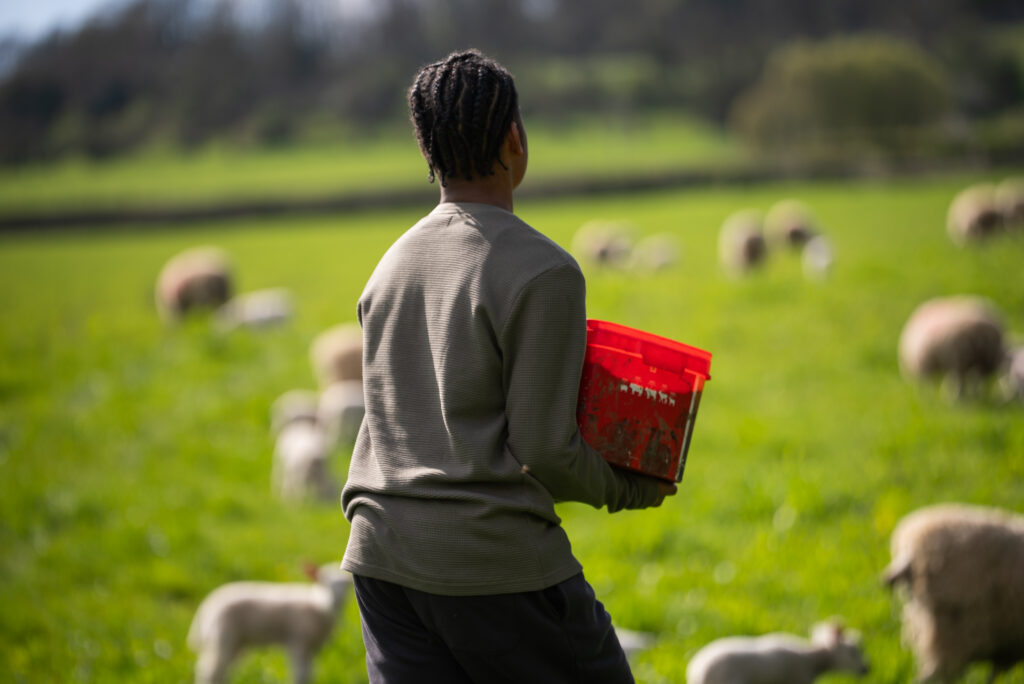
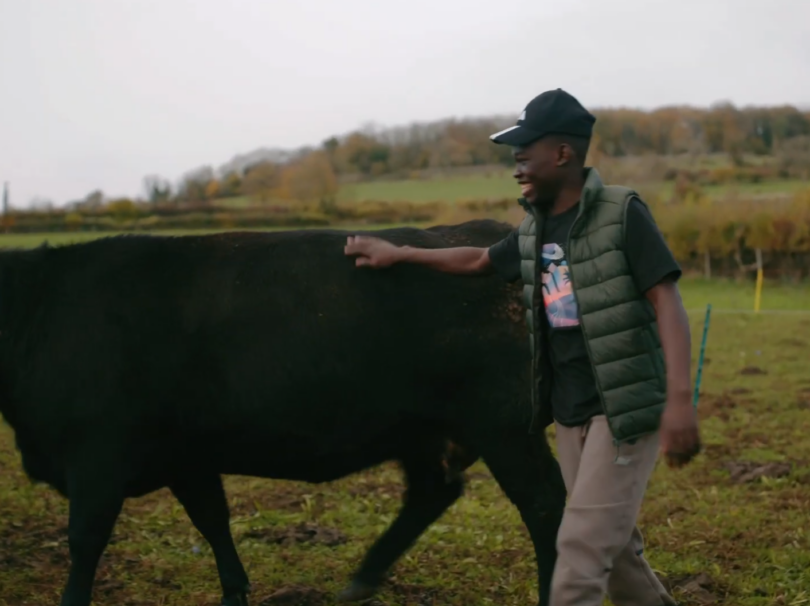
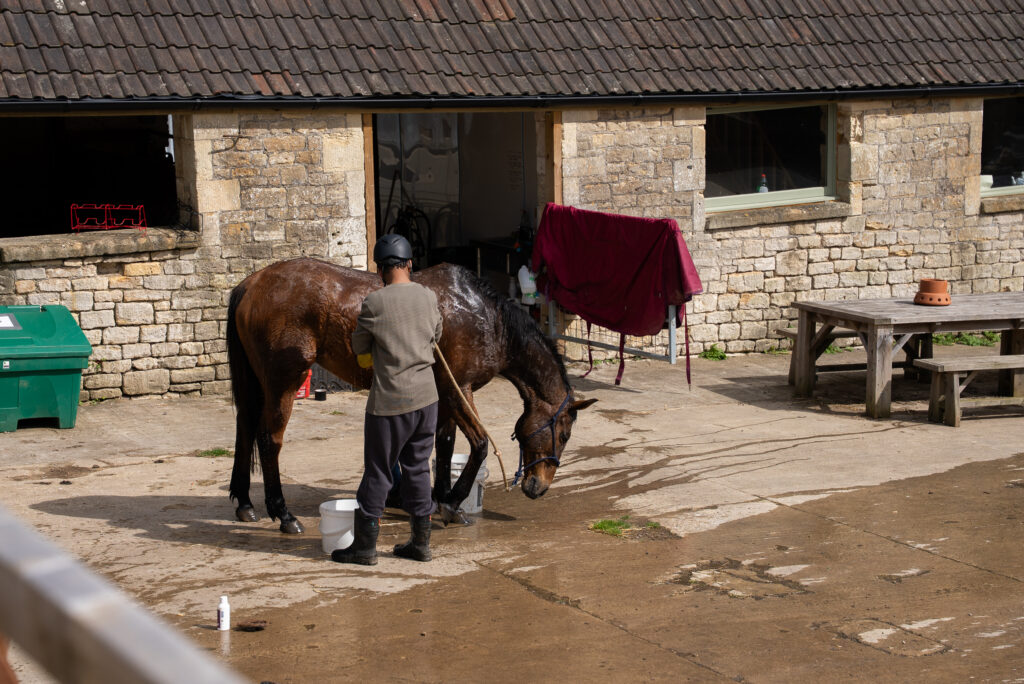
Children with SEND can be particularly vulnerable to being defined by their difficulties rather than their potential. Their neurodiversity may make aspects of school and an academically dominated curriculum difficult, while talents that might flourish in practical, technical, vocational or social environments remain undiscovered. We see something different at Jamie’s Farm. Put a young person into a working farm environment, give them meaningful responsibility and suddenly ability can look rather different. The animals need feeding. The meal needs preparing. Jobs have to be finished. Other people are relying on you to do your bit. These aren’t token activities designed to keep young people occupied. They are real jobs with real consequences. And young people who may have become accustomed to hearing what they cannot do discover what they can do. It is telling that young people consistently identify the jobs as one of their favourite aspects of their time at Jamie’s Farm.
Give young people something to move towards. We talk understandably about stopping young people going off track. Perhaps we also need to ask what compelling things we are giving them to move towards. Experiencing real work gives a teenager something difficult to provide through lectures about their future: the experience of being capable, trusted and needed. That matters long before someone appears in the NEET statistics.
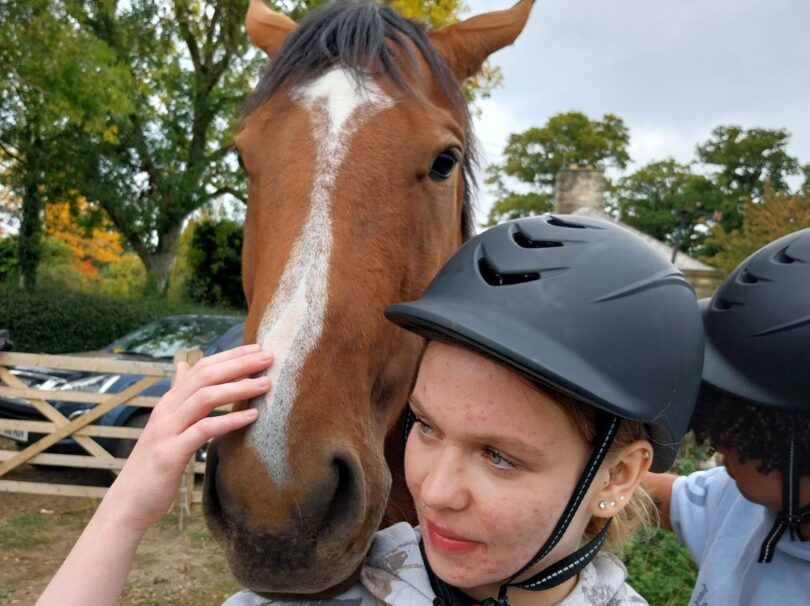
At Jamie’s Farm, we have seen what can happen when a young person who has begun to write themselves off is given a different experience of themselves. Someone struggling to engage in school can discover a capacity for hard work and perseverance. Someone convinced they have nothing to offer can discover that other people are depending on them. A week on a farm cannot solve every challenge facing a young person. But a different environment, different relationships and different expectations can change the direction in which somebody is travelling. It can change the points on the track.
As we await tomorrow’s report, the key question we’ll be keeping in mind is this: Alongside asking what we do when a young person becomes NEET, how do we ensure more young people experience success, purpose and contribution before they get there?