Being seen, heard, and understood isn’t a luxury, it is the foundation from which children (and adults!) can grow. Thankfully, there is a wind of change in education, with growing recognition that a singular focus on academic outcomes has led to disconnection and depersonalisation of the system for many young people. For the first time in many years, belonging is gaining real traction in the education sector. A renewed focus on inclusion and belonging are helping leaders interrogate what children truly need from their school communities. This national conversation is welcome, but as with many well-intentioned shifts in education, there is a risk: belonging could easily become a new slogan with ‘quick fixes’ being applied without the deep cultural, structural, and relational work required to make meaningful change for young people.
At Jamie’s Farm, belonging has been a core pillar of our programme for over 17 years. Rather than a value laminated on the wall, it’s lived, through an approach that requires consistency, prioritising relationships, and creating environments where young people feel emotionally safe enough to take off the armour they’ve learned to wear. Over a series of blog posts, we will explore the structures and principles that unlock a sense of belonging in young people, sharing what we’ve learnt through working with over 18,000 children.
Why this moment matters
A staggering 12.7% of young people aged 16-24 in this country are neither in education nor employment and many more teetering on the edge, disengaged and struggling with mental health concerns. Behind these numbers are lives marked by a painful sense of displacement: feeling unwanted, unneeded, and unseen. This crisis is not just personal. It’s societal. It tells us something fundamental our children’s need for belonging isn’t being met.
A changing childhood: Growing disconnection
Childhood has changed radically and yet the school’s system has not adapted alongside. Fifty years ago, when I taught, the aim was to bring the curriculum alive, make the classroom child centred and inspire, motivate, give agency, and involve children in active learning and enrichment. Alongside this the landscape of childhood was vastly different, the world was more welcoming, and children had a more confidence in how their learning might prepare them for the next step in their journey towards adulthood.
The structure of family and community has transformed dramatically. Smaller, more fragmented family units mean that many children grow up without the daily interactions, shared experiences, and “rough-and-tumble” that once naturally built resilience and social skills. Economic pressures compound this shift. With parents working longer hours just to make ends meet, children often receive less in-person attention, conversation, and playtime with adults or peers. These essential moments of connection where empathy, communication and confidence are born are too often missing. Many children experience less freedom, less play, and less facetoface connection—all of which are foundational for developing a sense of where they fit and why they matter.
Growing up in a digital world
We often hear the term “digital natives.” Today’s children live surrounded by screens that dominate entertainment, social interaction, and even identity formation. While technology offers incredible learning opportunities, it’s also replacing many of the experiences that shape independence, outdoor exploration, experimentation, and face-to-face friendships. Layer on top of that a culture steeped in fear, fear about safety, fear of ‘the other’, fear about the environment and our shared future – so much of it reinforced by media and, understandably, by worried parents. Too many children are becoming isolated, anxious, and unsure of how to navigate real-world interactions confidently.
Belonging takes more than good intentions
What distinguishes schools where children flourish is not the posters about belonging or one-off PSHE sessions; it’s the systemic alignment behind the scenes. The daily routines, the quality of relationships children have, the way decisions are made and the staff culture. Belonging can’t be delivered through a short-term initiative—it has to be created through practice.
What Jamie’s Farm has shown us
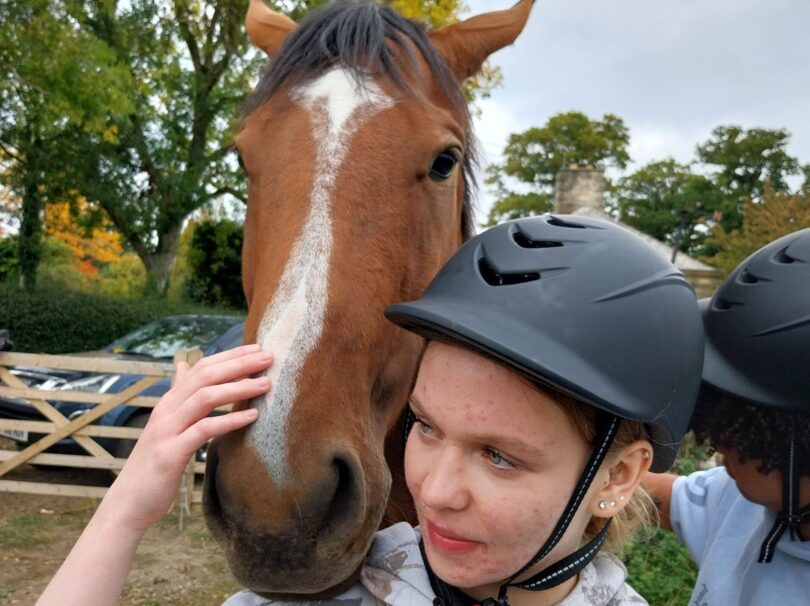
So often we hear a teacher say at Jamie’s Farm ‘I don’t recognise that child’ while witnessing them in ways that display their motivation, collaboration, kindness. Given the chance to feel they are welcomed and supported to build positive relationships with peers and adults alike they flourish. Having no digital devices, they turn to each other and adults for friendship and engagement. It is so heartening to see how quickly and readily children flourish if we can provide the appropriate nourishment. This transformation isn’t magic. It’s what happens when young people feel:
- safe
- valued
- part of something meaningful
- and surrounded by adults who hold high expectations with genuine warmth
Our farms model the conditions schools can create—if they are committed to making a cultural shift.
Belonging done well is slow, intentional work
Belonging is powerful, but only when it is embedded. To avoid it becoming the next buzzword, we must champion:
- Structural changes: relational policies, consistent routines like check ins to create emotionally safe environments
- Relational practice: adults trained and supported to coregulate, to listen deeply, to build trust
- Community connection: involving parents and others beyond the school gate
- Evidence informed development: grounding belonging in what research—and schools themselves—are learning about what works
It’s encouraging to see a growing movement recognising that belonging isn’t just a “nice to have,” it’s the foundation for learning. When children feel valued, included, and connected, they are more likely to engage, to hope, to learn, and to contribute. Schools are the ideal communities where children can build the social and emotional skills that will sustain them through life. They can learn to trust, to collaborate, and to care and alongside this they have appetites to learn, and these qualities that prepare them not only for the workplace but for citizenship in a complex, changing world.
In the end, belonging is not peripheral to learning. It is the soil from which all growth emerges, and our schools have unprecedented potential to be places of reconnection.