What if the way we respond to children could be significantly better if we understood how their brains actually work, and why belonging matters in child development?
So often, we expect children to think, react, and cope like adults, forgetting that their brains are still under construction. Over the past decade, I’ve come to understand just how different children’s brain development really is, and how deeply this shapes their need for connection, safety, and belonging. Looking back, this knowledge would have transformed the way I showed up as a parent, teacher, and therapist.
In the second of our series of ‘Creating Belonging’ blogs, I want to explore what it truly means to meet children where they are- and how understanding the developing brain can help us create a stronger sense of belonging for every child.
The part of the brain responsible for reasoning, planning, impulse control, and weighing consequences, the prefrontal cortex, is still under construction throughout childhood and well into the mid-twenties. Yet as adults, this is the very system we depend on to stay organised, regulate our emotions, focus our attention, and make considered decisions. It’s no wonder we sometimes fall into the trap of speaking to children as though they have the same capacity.
But children aren’t led by logic in the way we are.
Their brains are driven far more by the limbic system- the emotional centre- where the amygdala is constantly scanning for safety. Decisions are guided less by reason and more by instinct, emotion, and “gut” feelings. In this state, their priority is not learning or problem-solving- it’s survival.
This is why belonging matters so deeply.
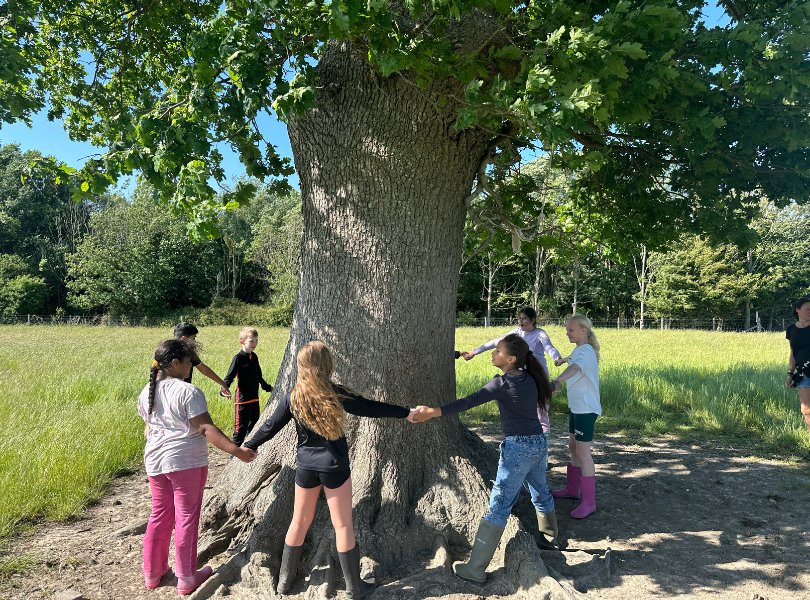
Until a child feels safe, seen, and heard- until they feel that they truly belong- their brain cannot shift into higher-level thinking. Connection isn’t a bonus; it’s the foundation.
When a child feels safe, connected, and calm, the brain can engage the thinking areas needed for listening, concentrating, remembering instructions, and managing behaviour, the things we often associate with being a “good pupil.”
But when a child feels stressed, anxious, disconnected, or misunderstood, the brain shifts toward survival responses such as fight, flight, freeze or fawn. In this state, the thinking brain becomes less accessible, making it much harder for the child to concentrate, follow instructions, control impulses, or stay engaged with learning
Before a child can learn, their brain asks a silent question: “Am I safe here?”
Every day in classrooms, we see children who struggle to sit still, who withdraw, who push boundaries, or who seem constantly distracted. It can look like defiance, disinterest, or disruption.
But often, what we are really seeing is a child whose brain is still searching for safety and belonging.
And until that need is met, learning will always come second, If the child has neurodiversity their needs for safety, consistency, patience, attunement will be increased. As teachers and carers we need to work with rather against the ways their brains are wired.
When children feel safe, secure, seen, and understood, their brains are able to do what they are designed to do best: learn, explore, regulate emotions, and build relationships.
In the early years, a child’s brain forms millions of neural connections every second. These connections are shaped not only by learning experiences, but by relationships and emotional safety. Sadly, many children have lacked the attunement they need to develop trust, and many others have neurodiversity and so we are having to be mindful that building belonging takes time and consistency and patience.
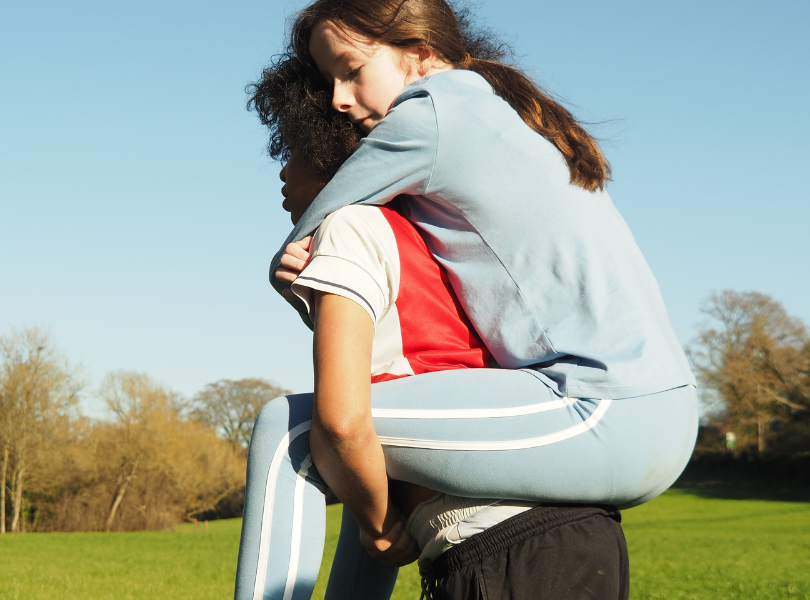
When a child feels that they belong:
• Their nervous system settles
• Stress levels decrease
• Curiosity and exploration increase
• Learning becomes easier
But when children feel excluded, misunderstood, or unsafe, the brain can shift into survival mode and hyper vigilance.
In this state:
- Stress hormones rise
- The brain prioritises protection over learning resulting in defensive or adversarial behaviours
- Concentration is poor
- Difficult to regulate emotions
When children feel anxious or hypervigilant, their thinking can become even more simplified. They may see situations and people in black-and-white terms- good or bad, right or wrong, heroes or villains. The more nuanced thinking that adults often expect, such as understanding mixed motives or seeing multiple perspectives, develops gradually with age and experience. Because of this, adults can sometimes be disappointed when children do not respond with the level of insight we expect.
Children are also much more wired for the present moment. Their brains focus on what is happening now rather than on distant outcomes. For this reason, systems that rely on delayed rewards such as expecting children to sustain positive behaviour for a reward days or weeks later are often less effective. This can be even more evident in some neurodivergent children.
At the same time, children’s brains are highly responsive to dopamine, the brain chemical linked to motivation and reward. Positive feedback, praise, encouragement, and recognition activate this system and strengthen learning. As a result, children generally respond far better to encouragement and positive reinforcement than to punishment.
When adults understand these developmental differences, it becomes easier to adjust expectations and respond in ways that support children’s growth. By focusing on encouragement, connection, and consistency, we help children feel safe and valued.
And when children feel safe, supported, and that they belong, they are far more able to engage with learning, build relationships, and thrive.
Belonging is not an “extra”. It is a biological need that shapes brain development.
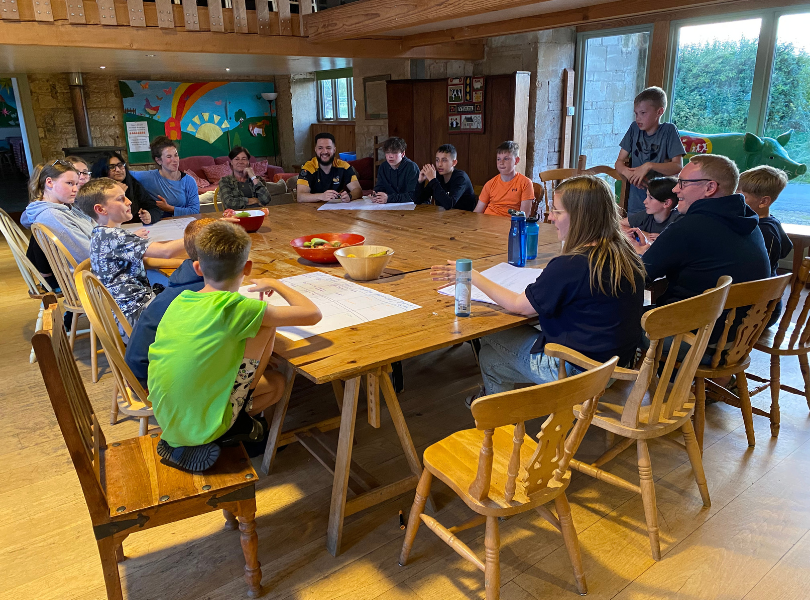
So how can we help children feel that they truly belong?
Here are some simple but powerful approaches:
• Build consistent relationships – Greeting children warmly and taking an interest in them helps them feel valued.
• Be emotionally attuned – Notice feelings and respond with empathy rather than judgement.
• Create predictable environments – Clear routines help children feel safe.
• Encourage voice and choice – When children’s ideas matter, their sense of identity grows.
• Celebrate individuality – Every child deserves to see themselves reflected and valued.
• Respond to behaviour with curiosity – Behaviour is communication. Ask “What might this child need?”
When children grow up feeling safe, secure, seen, and understood, their brains develop the foundations for resilience, confidence, and connection.
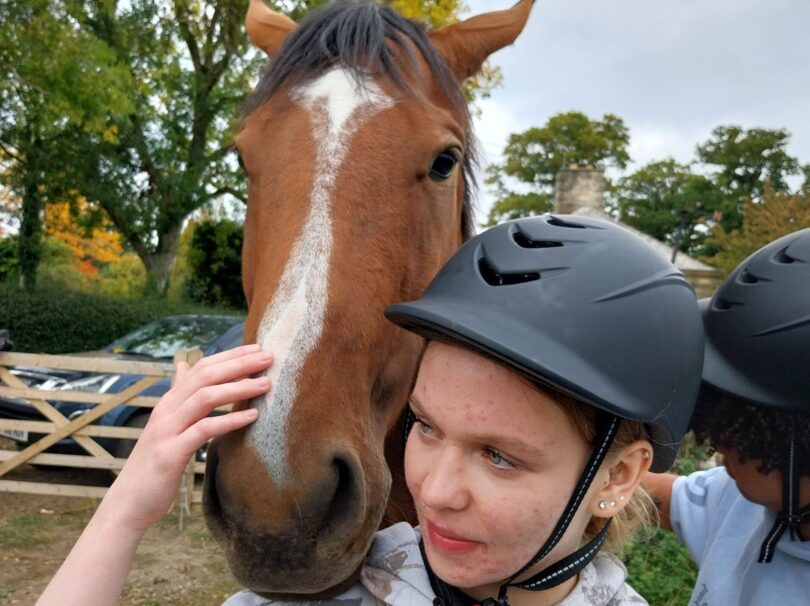
We see so often at the farm that belonging isn’t built through big moments. It’s built in the small, everyday interactions which shape how children see themselves and the world around them.